The World Cup Chess Match: 3 Massive Tactical Trends Defining the 2026 Tournament
The expanded 48-team 2026 FIFA World Cup™ is officially breaking scoring records, with matches hovering at a thrilling average of nearly three goals per game. But behind the spectacular finishes from the likes of Kylian Mbappé and Lionel Messi lies a highly sophisticated battle of tactical chess.
According to the latest data released by FIFA’s Technical Study Group (TSG)—led by Arsène Wenger—the tournament has accelerated the strategic evolution of the sport. The days of rigid formations are gone. Instead, teams are playing with a hyper-fluid elasticity.
If you want to understand exactly why certain powerhouse nations are cruising while others are falling apart, here are the three massive tactical trends dominating the pitch right now.
1. The 4-Second Rule: Success Driven by Aggressive Counter-Pressing
One of the most defining data points revealed by FIFA's Performance Insights team is the absolute correlation between immediate ball recovery and winning. In this tournament, the best teams aren't dropping back into low defensive blocks when they lose the ball; they are hunting it down instantly.
The data shows that winning teams are regaining possession on average four seconds faster than losing teams immediately after a turnover.
Nations like the USA under Mauricio Pochettino, Canada, Ecuador, and surprise packages like Cape Verde have weaponized this relentless counter-press. The strategy is two-fold: it instantly suffocates an opponent’s ability to launch a counter-attack, and it allows teams to win the ball high up the pitch while the opposing defense is still expanded and vulnerable. If a team cannot handle structural pressure within the first four seconds of transition, they are getting torn apart.
2. The Rise of the "Quarterback" Goalkeeper
The role of the modern goalkeeper has been entirely rewritten at this World Cup. Shot-stoppers are no longer just evaluated by their reflexes on the goal line; they are operating as deep-lying, playmaking deep midfielders.
Teams are actively constructing their build-up play by dropping their goalkeeper directly into a back-three system. By acting as a literal "quarterback," keepers are intentionally drawing in the opponent’s high press, waiting until the very last second to bypass the defensive line.
Whether it is playing crisp, short line-breaking passes into the midfield or launching precise 60-yard switches to free up overlapping fullbacks, the goalkeeper is now the primary overload mechanic. This structural trend is why the FIFA Power Rankings powered by Aramco now features specific analytical columns entirely dedicated to tracking a goalkeeper's efficiency "In Possession."
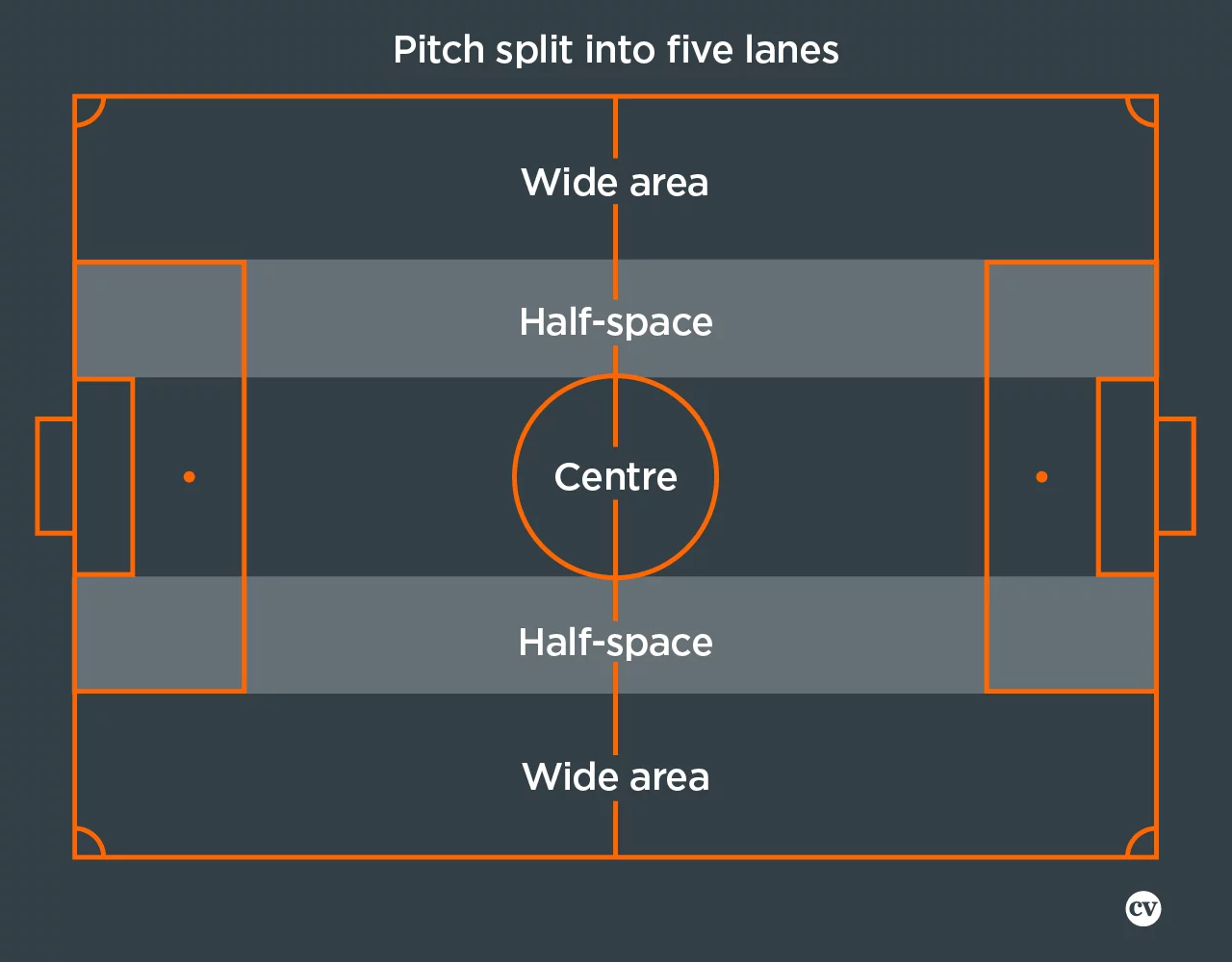
3. Exploiting the "Inside Channels" (The Half-Spaces)
Winger vs. Fullback isolation battles on the absolute touchline are becoming a rarity. Instead, the most lethal attacking sequences in North America are focusing heavily on exploiting the inside channels—the tactical half-spaces located directly between the opponent's center-backs and fullbacks.
Teams are using extreme wing width strictly to stretch the opposing backline horizontally. Once the gap opens up, central midfielders, attacking fullbacks, or inverted wingers make lightning-fast diagonal darts into that inside channel.
France has mastered this geometry beautifully. By positioning wide threats to pin defenders, they create massive pockets of empty space in the half-spaces for Mbappé and Michael Olise to exploit. It is an incredibly difficult system to defend because it forces center-backs into a terrible dilemma: step out of the middle to close the gap and leave the penalty box exposed, or stand still and let an elite attacker run cleanly at the goal.
The Verdict: The 2026 World Cup is proving that physical conditioning and structural flexibility are paramount. The teams marching deep into the knockout stages are those capable of adapting their systems in real-time, proving that modern football is faster, smarter, and more data-driven than ever before.
Comments
0 comments on this story
Post anonymously without any email address. Comments are moderated by the site and are kept private.
No comments yet. Share your view on the match, transfer, or analysis.